


Cottage cheese, a creamy and versatile dairy favorite enjoyed for ages, is both tasty and packed with nutrients. A common question is whether this kitchen staple offers probiotic benefits.
Let’s dive into the world of cottage cheese to uncover its potential as a source of these beneficial bacteria and explore its many merits.
What are probiotics?
Probiotics are live bacteria and yeasts that are beneficial for your digestive system and overall health. These microorganisms are often referred to as “good” or “friendly” bacteria because they can help maintain a balanced gut microbiome, which is essential for optimal digestion, nutrient absorption, and overall well-being.
Does cottage cheese contain probiotics?
Cottage cheese is a dairy product, but not all types of cottage cheese contain probiotics. While yogurt and kefir, both fermented with specific probiotic strains, are well-known sources of these beneficial bacteria, cottage cheese takes a different route. It’s created by curdling milk with an acid, like vinegar or lemon juice, rather than through fermentation.
However, some manufacturers have introduced probiotic-enhanced cottage cheese by adding probiotic cultures during production. These fortified varieties may contain live probiotic bacteria, providing you with some of the benefits associated with probiotics.
Benefits of probiotics in cottage cheese
Improved gut health: Probiotics can help balance the gut microbiome, promoting better digestion and a healthier immune system.
Enhanced nutrient absorption: A thriving community of gut bacteria plays a crucial role in how well your body absorbs essential nutrients from the food you consume.
Potential immune boost: By fostering a diverse and balanced community of gut bacteria, probiotics may contribute to a well-functioning immune system.
Digestive comfort: For some individuals, consuming probiotics can help alleviate digestive discomfort and promote regular bowel movements.
Choosing probiotic-rich cottage cheese
To potentially enjoy probiotic benefits from cottage cheese, it’s key to check the label for mentions of “live and active probiotic cultures.” Keep an eye out for common strains like Lactobacillus acidophilus, Bifidobacterium, and Streptococcus thermophilus.
Choosing minimally processed cottage cheese without a lot of extra ingredients is also a good strategy, as a more natural product is more likely to contain live probiotics. Organic and artisanal varieties often stand out as better options when seeking these beneficial bacteria.
Incorporating cottage cheese into your diet
Whether enjoyed as a simple snack, blended into smoothies, sprinkled over salads, or incorporated into both savory and sweet recipes, cottage cheese is incredibly versatile. Choosing a probiotic-rich variety allows you to savor its delightful flavor while potentially boosting your health.
Vegetarians should consider taking a quality probiotic supplement
For vegetarians and vegans, incorporating a probiotic supplement into your diet can be especially beneficial. Since dairy-based products like yogurt and kefir are common sources of probiotics, individuals following plant-based diets may have limited options to naturally obtain these essential microorganisms.
Probiotic supplements offer a convenient and reliable way to maintain a balanced gut microbiome and support overall health while adhering to vegetarian or vegan dietary preferences.
Align Probiotic
-
Align Probiotic is the #1 doctor-recommended brand.
-
Discovered by Gastroenterologists and backed by 20+ years of research.
-
Align Probiotic contains the unique strain Bifidobacterium infantis 35624.
-
Vegetarian, gluten-free, soy free and no refrigeration is required.

Shop easily on Amazon
OLLY Probiotic Gummy
-
Chewable probiotic supplement, deliverers 1 billion CFUs to support your immune and digestive health.
-
These are special, powerful live cultures capable of withstanding the harsh environment of your stomach and successfully reaching your digestive system.

Shop at Amazon
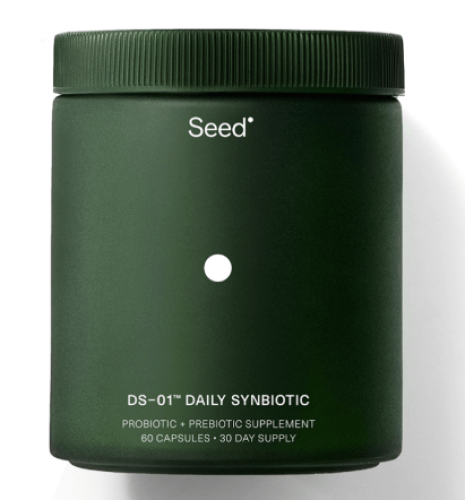
Seed – Science-based probiotics
-
This formulation offers a wide array of beneficial bacteria, featuring multiple strains from within different species (a total of 24).
-
100% survival through simulated digestion (stomach acid, bile salts, and digestive enzymes).
-
Seed employs over 50 rigorous quality assurance and quality control steps, adhering to both US and European standards to ensure the purity of their supplements.
-
Whole-genome testing via shotgun sequencing of microbial DNA.
-
No refrigeration required, vegan, gluten-tested.
Although standard cottage cheese production doesn’t naturally lead to probiotics, you can find some varieties that have been enhanced with these beneficial microorganisms.
When you’re selecting cottage cheese, be sure to check if the label clearly states it contains live and active probiotic cultures. Opting for these probiotic-rich versions can be a tasty and convenient way to support your gut health and overall wellness, giving you a delightful combination of flavor and nutritional benefits.
Pingback: How to Improve Digestive Health - The Diet of the Common Sense