


In our fast-paced world, a good night’s sleep often feels like a luxury rather than a necessity. When counting sheep just isn’t cutting it, many turn to melatonin, often hailed as the “sleep hormone.” But what exactly is melatonin, how does it work, and is it the right solution for your sleep struggles?
This article explores all aspects of using melatonin for sleep, covering its natural function in the body, appropriate dosages, and possible side effects.
What is Melatonin and How Does It Work?
Melatonin is a natural hormone produced by your pineal gland in response to darkness. Its primary job is to regulate your body’s circadian rhythm – your internal 24-hour clock that tells you when to be awake and when to sleep.
Here’s how it generally works:
Darkness signals production: As daylight fades and darkness sets in, your pineal gland begins to produce and release melatonin into your bloodstream.
Prepares your body for sleep: As melatonin levels increase, your body gets the signal to wind down. This leads to a drop in body temperature, decreased alertness, and a feeling of drowsiness.
Daylight inhibits production: Conversely, exposure to light, especially blue light from screens, can suppress melatonin production, making it harder to fall asleep.
Think of melatonin as your body’s internal timekeeper, helping to synchronize your sleep-wake cycle with the natural light-dark cycle.

Why Consider Melatonin Supplements?
While your body produces its own melatonin, several factors can disrupt this natural process, leading to sleep difficulties:
Jet lag: Traveling across time zones throws your circadian rhythm out of whack. Melatonin can help reset your internal clock.
Shift work disorder: Working irregular hours or night shifts can disrupt your body’s natural melatonin production, making it difficult to produce the hormone when you need it most for sleep.
Delayed sleep-wake phase disorder (DSWPD): This condition causes individuals to naturally fall asleep and wake up much later than conventional times.
Age-related decline: Melatonin production can naturally decrease with age, contributing to sleep issues in older adults.
Certain medical conditions: Some health conditions or medications can impact natural melatonin levels.
In these situations, a melatonin supplement can provide external melatonin, boosting your body’s natural supply and helping to get your sleep cycle back on track.
Benefits of Melatonin for Sleep
Research suggests that melatonin supplements can offer several benefits for specific sleep issues:
Faster sleep onset: Melatonin can help reduce the time it takes to fall asleep, particularly for those with delayed sleep-wake phase disorder or jet lag.
Improved sleep quality (for certain conditions): While not a sleep solution for everyone, melatonin can enhance how well some people perceive their sleep, particularly those with circadian rhythm disruptions.
Jet lag relief: It’s widely used and effective for mitigating the symptoms of jet lag, helping travelers adjust to new time zones more quickly.
Support for children with sleep disorders: Under medical supervision, melatonin may be used in certain cases to assist children with neurodevelopmental conditions like Autism Spectrum Disorder (ASD) or Attention-Deficit/Hyperactivity Disorder (ADHD) who experience ongoing sleep difficulties.
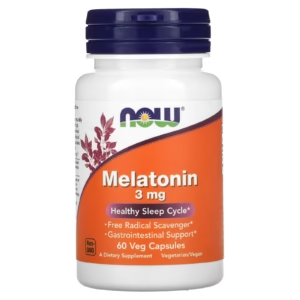
NOW Foods, Melatonin
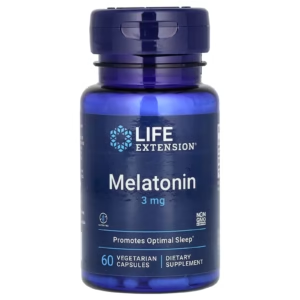
Life Extension, Melatonin
Shop easily online!
HerbsPro Clearance Sale – Additional 15% off on all orders
Use code CLEARANCE at checkout
Melatonin Dosage: Finding Your Sweet Spot
There’s no one-size-fits-all dosage for melatonin, and less is often more. Many people find that lower doses are just as effective as higher ones, with fewer potential side effects.
Start low: Most experts recommend starting with a very low dose, such as 0.5 mg to 1 mg, taken about 30 to 60 minutes before your desired bedtime.
Gradually increase (if needed): If a lower dose doesn’t work, you can gradually increase it, usually by 1 mg at a time, up to a maximum of about 3 mg to 5 mg for most adults. Doses higher than 5 mg generally aren’t more effective and might increase your risk of side effects.
Consult a professional: Always consult with a healthcare professional before starting melatonin, especially if you have underlying health conditions, are taking other medications, or are considering it for children. They can advise on the appropriate dosage and duration of use.
Important note: Because the FDA regulates melatonin as a dietary supplement, not a medication, its purity and dosage can vary significantly by brand. Always choose reputable brands that use third-party testing.
Potential Side Effects of Melatonin
While generally considered safe for short-term use, melatonin can cause some side effects, though they are usually mild:
Daytime drowsiness/grogginess: Taking too much or taking it too late can lead to residual sleepiness the next day.
-
Headaches
-
Dizziness
-
Nausea or stomach upset
-
Vivid dreams or nightmares
-
Irritability or mood changes
Rare but serious side effects: Seek immediate medical attention if you experience signs of an allergic reaction (rash, itching, swelling), changes in eyesight, or significant mood changes.
Who Should Exercise Caution or Avoid Melatonin?
Pregnant or breastfeeding women: Insufficient research on safety.
Individuals with autoimmune disorders: Melatonin can affect the immune system.
People with seizure disorders: May interact with seizure medications.
Individuals taking blood thinners: Melatonin can potentially increase bleeding risk.
Those with depression: May worsen symptoms in some cases.
Children: Use only under strict medical guidance due to potential effects on hormone development.
Beyond Melatonin: Natural Sleep Strategies
While melatonin can be a helpful tool, it’s not a magic bullet for all sleep problems. Often, improving your sleep hygiene can make a significant difference:
Stick to a consistent sleep schedule: Go to bed and wake up at the same time every day, even on weekends.
Create a relaxing bedtime routine: Wind down with activities like reading, a warm bath, or gentle stretching.
Optimize your sleep environment: Keep your bedroom dark, quiet, and cool.
Limit screen time before bed: The blue light from phones, tablets, and computers can interfere with melatonin production.
Watch your diet: Avoid heavy meals, caffeine, and alcohol close to bedtime.
Regular exercise: Physical activity can improve sleep quality, but avoid intense workouts close to bedtime.
Manage stress: Practice relaxation techniques like meditation or deep breathing to calm your mind before sleep.
The Bottom Line
Melatonin can be a valuable short-term aid for specific sleep disturbances like jet lag or shift work. It works by supplementing your body’s natural sleep hormone, signaling it’s time to rest.
However, it’s crucial to use it responsibly, start with a low dose, and always consult a healthcare professional to ensure it’s the right solution for your individual needs and to discuss any potential interactions or underlying causes of your sleep issues. A holistic approach that includes good sleep hygiene remains the cornerstone of consistent, restorative sleep.
Shop easily online!
HerbsPro Clearance Sale – Additional 15% off on all orders
Use code CLEARANCE at checkout